THE 2 SECTIONS OF CINEMATOGRAPHY AND THE 8 KEY SHOTS
 We talked about the 2 branch's called Microelements and Macroelements the microelements consist Cinematography, sound, mis en scene and editing whilst Macroelements consist of genre, narrative and representation the one we focused on today was Cinematography.
The art of cinematography is the merge of motion and pictures and eventually the addition of sound to make a moving masterpiece.
A factor of cinematography is the different shot types:
Extreme long shot (XLS)
 this shot is used to set the scene around the subject and to help set the tone of the scene plus it gives you a good view of the subjects surroundings this is my personal favourite type of shot as it helps you as director set the scene more easily by showing the audience the location.
Long shot (LS)
this is used to help the audience see the subject in detail if the subject was a person you could see what he or she is wearing and a bit of the area behind them and its also used to establish the location.
Medium Long Shot (MLS)
This shot is mainly seen in conversations between 2 people as its wide enough to fit them both and this also gives the audience a decent view of the characters body language. This shot is great to use if you want to present the subjects emotions or thoughts.
Medium Shot (MS)
gives us more detail of the person it is generally seen as a waist up shot and its used to connect the Long shot and the Medium close up shot.
Medium Close Up (MCU)
we used this to try and isolate the subject and to grab the audiences attention. I would use this shot to present a key part of a film such as an event or a slow zoom in to the subjects face as like they are thinking or frightened this can also help you transition into other closer shots so its a great way to transition.
Close Up (CU)
The best feature of this shot is the Social triangle this is when we get the eyes, mouth and nose into one shot as this is the way we socialize from speech, sight and smell and this is also used to isolate the subject in more detail like scars, dirt or tears.
Big Close Up (BCU)
This also features the Social Triangle this shot also features a even more of a close up on the face as it cuts off half of the forehead and chin this helps the audience see the facial expressions and emotions and can reveal even more details like scars and tears.
Extreme Close Up (XCU)
this focuses on specific parts of the body like the eye for example as in someone's eye you can see what they see what they are feeling by the size of there pupils or what there emotion is currently by the colour of the eye.
Another important fact is the Camera angles use in cinematography and there is 3
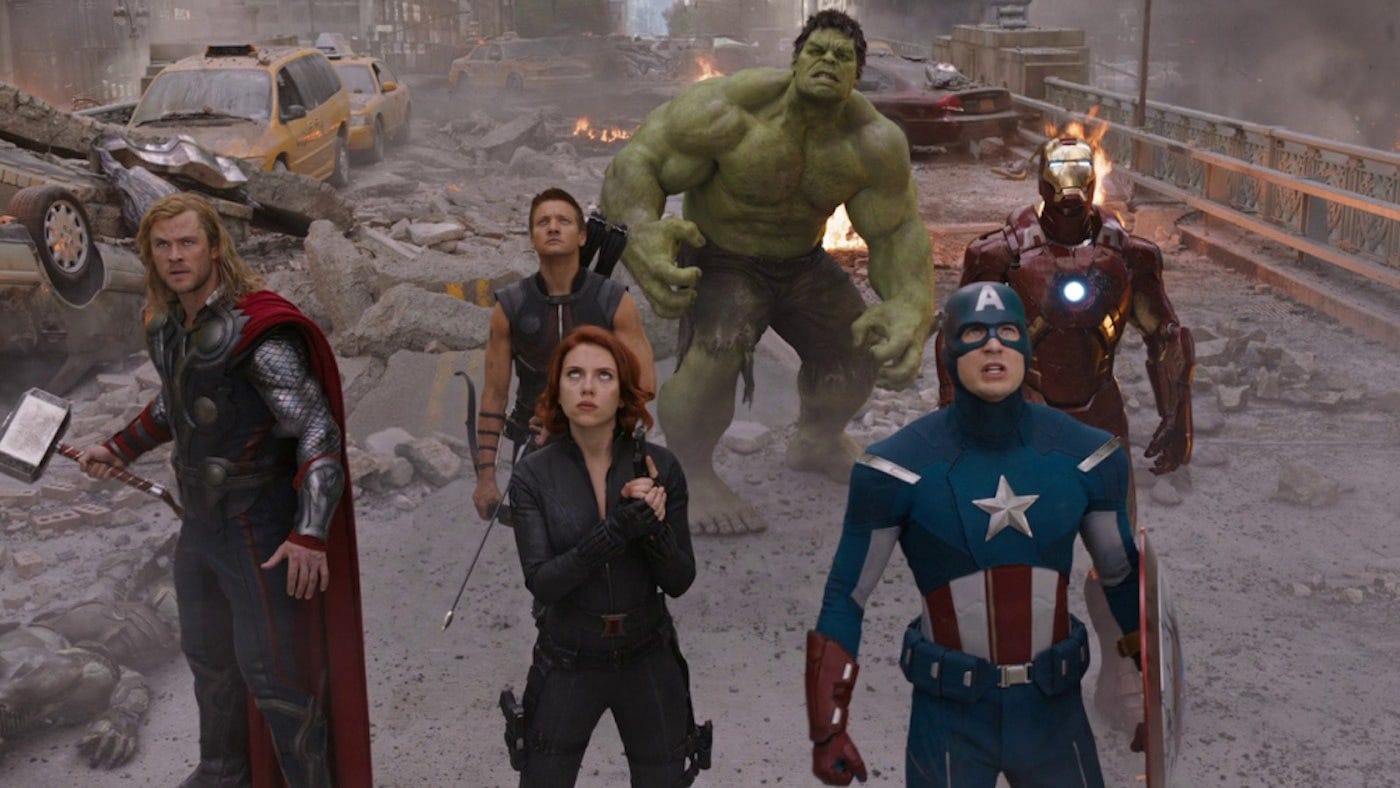 High angle shot:this shot is shown looking down on the subject and if used correctly with a combination of sound and music can help show the subject as powerless or isolated and can make the scene seem more dramatic.
The Dutch tilt or the canted angle is where the camera is tilted horizontal to turn the horizon and the subject onto a slope and adds a more dynamic composition although this angle is rare in modern cinematography it can be pulled off amazingly because it can be used to disturb the viewer.

Comments
Post a Comment